
Views: 0 Author: Site Editor Publish Time: 2026-11-13 Origin: Site


Tired of cheap, synthetic paper air fresheners that fade within a few hours? You aren't alone. Today's drivers are shifting away from mass-produced disposables toward premium, sustainable alternatives. Natural materials have evolved from a niche luxury into a necessity for car owners who treat their vehicle cabin as an extension of their personal living space.
Navigating this market can be daunting. The automotive accessory industry is currently flooded with wooden options, but quality varies drastically. Buyers often struggle to distinguish between a cheap knock-off and a truly engineered fragrance solution. The real secret to a superior experience lies in the hidden interaction between wood science and botanical oil stability.
In this guide, we break down the craftsmanship, material physics, and professional procurement standards that define a top-tier product. Whether you are a retail user or a B2B buyer, understanding these foundational pillars is the key to a better investment.
Timber Porosity: The cellular density of wood determines its scent-holding capacity.
Oil Purity: Natural essential oils outperform synthetic carriers in both longevity and health safety.
Manufacturing Standards: Proper curing and kiln-drying prevent warping in extreme vehicle temperatures.
Precision Branding: Laser engraving must be calibrated to avoid carbonizing the wood surface, which blocks oil absorption.
Supply Chain Stability: Consistent bulk quality requires rigorous batch testing and professional, airtight packaging.
Wood acts as a biological sponge for fragrance. Its cellular structure is the engine that drives scent diffusion. Softer woods with open-grain structures, such as select beech, offer superior absorption rates. If the wood is too dense or coated in heavy synthetic varnishes, it effectively shuts off the flow of fragrance. A poor-quality Scented Wood Car Air Freshener will suffer from an inconsistent scent throw that drops off sharply after the first day.
Car interiors present a brutal testing ground for materials. Temperatures fluctuate from scorching summer heat to freezing winter nights, causing rapid expansion and contraction. Standard timber will inevitably warp or crack under these conditions. Professional manufacturers utilize specific kiln-drying cycles to ensure the wood remains structurally stable, ensuring your accessory maintains its shape and performance regardless of the climate.
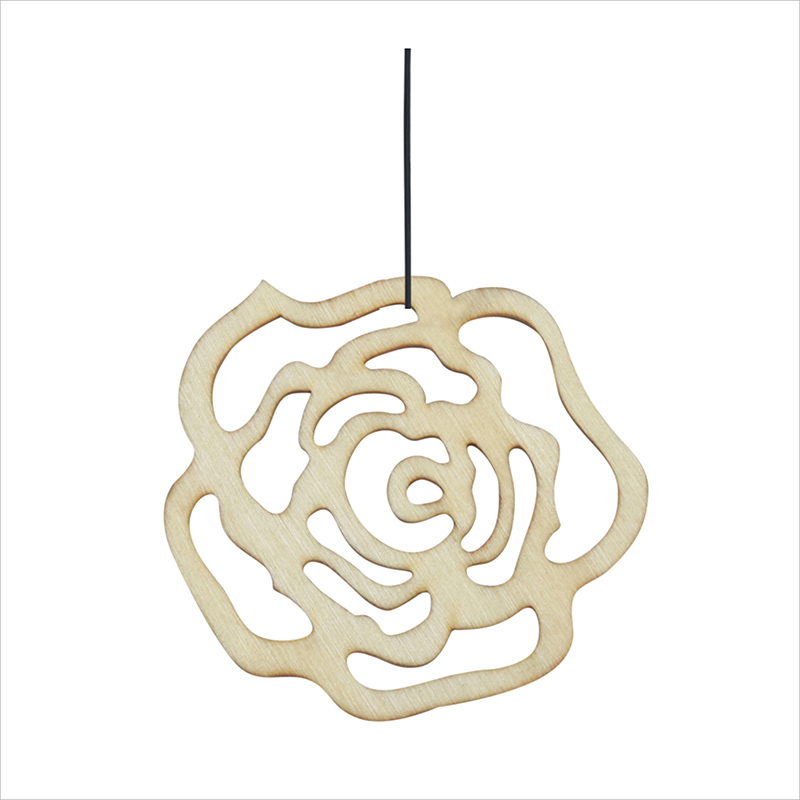
The distinction between a lingering aroma and a fleeting scent is almost entirely a matter of chemistry. Mass-market options typically rely on alcohol-heavy synthetic bases that flash-evaporate when exposed to air. In contrast, modern industry trends show a clear move toward therapeutic-grade, non-toxic essential oil blends. These oils bond with the wood's organic fibers, allowing for a steady, rhythmic release of scent that lasts weeks instead of days.
Application technique is equally vital. Many low-budget brands utilize surface spraying, which only coats the exterior. This approach is inefficient because the scent layer dries out rapidly. Conversely, high-end production involves vacuum infusion or prolonged deep-soaking. By forcing the oils deep into the cellular reservoir of the wood, a Long Lasting Wood Air Freshener ensures that the fragrance is slowly metered out over time, providing a consistent experience throughout your daily commute.
Market analysts are currently observing a push for materials that offer both sensory appeal and functional reliability. When comparing wood to stone or ceramic, the differences are striking. Ceramic and stone alternatives often feel sterile or overly heavy, potentially damaging delicate vent fins. Wood, however, offers a naturally warmer, organic aesthetic that integrates perfectly with leather and brushed metal cabin trims.
Beyond looks, wood is a dynamic, breathing medium. Its natural fiber network responds to the airflow from your AC system, causing the wood to expand and release fragrance molecules more actively when the air is moving. Stone and ceramic do not share this characteristic, usually requiring direct heat or massive surface area to achieve even a fraction of the same diffusion performance. Consequently, wood remains the most effective, natural medium for cabin scenting.
Attention to detail separates professional-grade accessories from generic hobbyist products. A premium freshener should be tactile and refined, with smooth, sanded edges free of any splintering. To maintain functionality, manufacturers must avoid heavy lacquers. The goal is to keep the wood’s pores open. Furthermore, secure, high-tension hardware is essential. If using a vent-clip design, look for silicone-coated prongs that provide a vibration-free grip without scratching your dashboard vents.
For corporate clients, a Custom Wood Car Air Freshener represents a high-value promotional asset. However, branding must be executed with technical precision. Excessive heat during laser engraving can carbonize the wood, essentially creating a sealed, charred layer that prevents oil absorption. Expert calibration ensures that the logo remains sharp and deep without compromising the wood’s primary olfactory function.
For distributors and businesses, brand reputation is tied to product consistency. When evaluating a potential Wood Car Air Freshener Supplier, it is critical to request information on batch-testing protocols. You need to ensure that the moisture content of the wood and the concentration of the oils remain within strict tolerances across every shipment. A reliable partner will also provide transparent documentation regarding ingredient safety, adhering to global fragrance standards to ensure the product is hypoallergenic and safe for long-term passenger exposure.
In addition, packaging is a significant marker of quality. Volatile fragrance oils degrade if exposed to air before the customer opens the product. Premium items are almost always housed in UV-shielded, vacuum-sealed, or airtight packaging. If you are preparing a Wholesale Wood Car Air Freshener Inquiry, prioritize manufacturers who offer these protective packaging solutions as standard, as it demonstrates a commitment to delivering a fresh, high-potency product to the end consumer.
When manufactured correctly using porous timber and high-quality oils, these fresheners generally maintain a consistent, noticeable scent throw for 30 to 60 days. This performance can vary based on the intensity of the cabin climate and how often your air conditioning is active, but it drastically exceeds the longevity of paper-based alternatives.
One of the primary benefits of choosing natural, untreated wood is its recyclability. Once the initial infusion wanes, you can easily refresh the wood by applying a few drops of high-grade essential oil to the back side. Allow the oil to absorb for several hours on a protected surface, and the wood will essentially be restored to its original strength.
Unlike plastic gel cartridges or synthetic aerosol cans, wood is a renewable, biodegradable material. When paired with natural essential oils rather than synthetic fragrance chemicals, the entire unit poses a significantly lower risk to the environment and the user's respiratory health, avoiding the accumulation of persistent waste in landfills.
To ensure you receive an accurate quote, include your expected order volume, specific timber preference, and whether you require custom laser branding. Providing high-resolution vector artwork for your logo at the outset will allow the manufacturer to evaluate engraving feasibility and provide a much faster, more precise production timeline.


