
Views: 0 Author: Site Editor Publish Time: 2026-07-22 Origin: Site


Modern car washes are shifting their primary growth lever toward long-term retention. Customer acquisition alone no longer guarantees sustainable revenue. Subscription models now dominate the industry, and they rely heavily on recurring visits. The core problem lies in the invisibility of digital loyalty points. Customers frequently forget their membership benefits once they drive off the lot. Car wash operators need tangible, low-cost in-vehicle reminders. These physical items must trigger return visits and reinforce continuous brand recall.
We firmly believe a strategic physical touchpoint changes the entire customer retention game. A properly designed promotional car air freshener acts as a high-ROI, recurring asset. Quality focus and strategic distribution turn simple items into powerful loyalty tools. You will discover exactly how these physical reminders drive frequency. We will explore material specifications, distribution strategies, and inventory management techniques to help you maximize your retention efforts.
Unit Economics: High-quality air fresheners cost cents per unit but offer weeks of visual and olfactory brand reinforcement, making them ideal for high-frequency retail like car washes.
Evaluation Criteria: Scent longevity, material quality, and die-cut precision matter more than baseline cost; cheap variations risk negative brand association.
Strategic Distribution: Tying a branded air freshener giveaway to specific loyalty milestones (e.g., subscription renewals, seasonal promotions) maximizes engagement.
Actionable Design: Integrating functional elements—like QR codes for membership sign-ups—transforms a passive giveaway into a measurable conversion tool.
Addressing the churn challenge remains a top priority for facility operators. Unlimited wash clubs face surprisingly high attrition rates. Customers sign up for a monthly pass but often forget to use it. This perceived lack of value leads to rapid cancellations. Furthermore, pay-per-wash services quickly become commoditized in crowded markets. Competitors constantly undercut prices to steal market share. You need a mechanism to stay top-of-mind. A physical item hanging on the rearview mirror serves as a daily visual prompt. Drivers see your brand every single time they commute. This repeated exposure builds strong habituation and combats subscription fatigue effectively.
Sensory marketing plays a critical role in customer perception. Human memory links strongly to the olfactory bulb. A clean car smell connects psychologically directly to the perceived value of your service. When drivers smell a fresh, pleasant aroma, they feel their vehicle is truly clean. This sensory validation reinforces their decision to choose your facility. Without a pleasant lingering scent, the post-wash satisfaction fades quickly. By controlling the interior aroma, you extend the lifespan of the service experience. They associate that lasting freshness directly with your specific brand.
Comparing costs reveals a massive advantage for physical retention triggers. The customer acquisition cost for local digital ads keeps climbing steadily. Social media impressions flash by in seconds and often go ignored. Conversely, consider the impression value of a rearview mirror placement. A physical item stays in the driver's line of sight for two to four weeks. The cost per impression drops to fractions of a penny. This retention ROI heavily outweighs standard digital retargeting campaigns. You spend pennies to secure hours of dedicated brand visibility inside the customer's personal space.
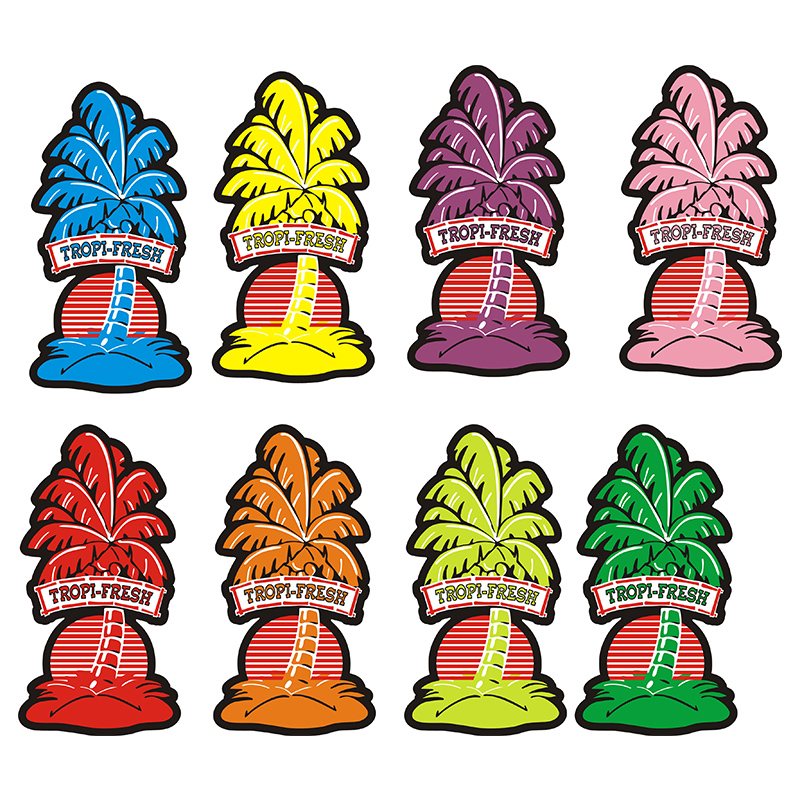
Material choices directly dictate both performance and customer perception. Standard paper board works best for high-volume, low-cost operations. However, you must specify high-density cotton paper during procurement. Standard cardboard fails to hold fragrance oils effectively and dries out rapidly. High-density cotton absorbs oils deeply and releases them slowly over time. Wood, gel, or acrylic alternatives offer significantly higher perceived value. These premium materials suit top-tier loyalty members perfectly. They feel luxurious and elevate your brand image immediately. They are less scalable for daily giveaways but work beautifully for exclusive club renewals.
Material Type | Ideal Use Case | Scent Retention | Brand Perception |
|---|---|---|---|
Standard Cotton Paper | Daily mass giveaways | Moderate (7-14 days) | Standard Utility |
Natural Wood | Premium club members | High (14-21 days) | Eco-friendly, High-end |
Scented Gel Packs | Interior detail packages | Very High (30+ days) | Modern, Long-lasting |
Acrylic Shapes | Annual subscription renewals | Low (Visual focus) | Premium Collectible |
Scent formulations require careful navigation. You face a constant trade-off between natural essential oils and synthetic fragrances. Natural oils are safer, eco-friendly, and offer subtle aromas. However, they evaporate quickly in hot vehicle interiors. Synthetic fragrances provide longer-lasting, stronger scent profiles. They withstand UV exposure and heat much better. Setting realistic expectations prevents customer disappointment. A standard item provides peak scent for about one to two weeks. Always avoid suppliers promising indefinite longevity. Those claims usually indicate harsh, overpowering chemical compounds.
Print quality determines whether a customer actually hangs the item. Full-color CMYK printing captures intricate logos and vibrant gradients perfectly. Spot colors work well for minimalist, bold branding. Die-cut shapes drastically outperform standard circles or rectangles. Custom shapes grab attention and feel more like accessories than advertisements. Mimicking your unique car wash building, mascot, or logo drives better retention. Customers prefer hanging interesting designs on their mirrors. A boring rectangle often ends up tossed in the cupholder or the trash.
Implementing tiered membership perks maximizes your investment. You should reserve premium scents for your top-tier wash packages. Monthly club members appreciate exclusive designs tailored just for them. This strategy incentivizes upsells at the payment kiosk. When basic members see the premium wooden designs, they feel a desire to upgrade. You create a visible status symbol among your customer base. Differentiating the rewards makes your highest-paying customers feel truly valued.
Seasonal scent rotations keep the loyalty program fresh and engaging. Using a scent mapping strategy drives seasonal traffic spikes effectively. Introduce a sharp "Pine" scent in winter to coincide with salt-removal washes. Switch to a bright "Citrus" or "Ocean Breeze" in spring for fresh starts. A perfectly timed branded air freshener giveaway delights customers year-round. It gives them a reason to visit just to collect the new seasonal scent. This predictable rotation builds anticipation and keeps the marketing asset from feeling stale.
The "surprise and delight" mechanic boosts immediate customer satisfaction scores. Equip your detailers and tunnel exit attendants with a fresh batch daily. Have them hand out the items unexpectedly as customers dry their cars. Unexpected gifts trigger a strong psychological rule of reciprocity. Customers feel compelled to return the favor through loyalty and positive reviews. This small gesture transforms a routine errand into a memorable retail experience. It costs very little but generates immense goodwill.
Avoid handing out identical designs twelve months in a row.
Train attendants to briefly explain the scent profile when handing it over.
Reserve limited-edition holiday designs for your most loyal subscribers.
Use social media to announce the arrival of the new seasonal scent.
Understanding the frequency gap separates successful campaigns from wasted budgets. Auto dealers use fresheners for long-term branding after a singular major purchase. They want their logo in the car so you remember them in three years. Car washes face a completely different reality. You need dynamic, rotating designs to match monthly or weekly visit frequencies. If you give a customer the exact same design every week, you cause fatigue. The item loses its novelty and becomes clutter. You must adapt your design strategy for high-frequency utility.
Direct-response design elements move the item beyond just a logo. You should incorporate scannable QR codes on the back of every custom logo air freshener. A blank back represents wasted real estate. The back side should act as a silent salesperson working 24/7 inside the vehicle. By tracking these scans, you transform a passive promotional item into a measurable conversion tool. You gather real data on how customers interact with your physical marketing.
We recommend linking these QR codes to high-value digital destinations. Implementing tracking parameters helps you measure exact ROI.
Direct the scan to your official mobile app download page to boost digital adoption.
Link directly to an active referral program where they can invite friends for free washes.
Route users to digital coupon redemptions for profitable interior detailing upgrades.
Send them to a quick satisfaction survey to catch negative feedback before it hits public review sites.
Order volumes frequently clash with scent degradation realities. Bulk ordering significantly reduces the unit cost of each item. However, volatile fragrance oils naturally degrade over time. If you order a three-year supply, the last batch will likely smell like plain cardboard. Operators must verify the barrier properties of the supplier’s cellophane packaging. Cheap shrink wrap breathes and allows oils to escape in the warehouse. High-barrier cellophane locks the oils inside effectively. Always ask suppliers for technical specifications on their packaging materials before placing massive bulk orders.
Storage best practices dictate the lifespan of your inventory. You must keep inventory in strictly climate-controlled environments. Heat destroys the product rapidly. Storing boxes in a hot metal shed will ruin the oils before they ever reach a customer. Direct sunlight breaks down the chemical compounds in synthetic fragrances. Maintain a storage temperature between 60 and 70 degrees Fahrenheit. Keep the boxes away from damp concrete floors to prevent moisture damage to the outer packaging. Proper handling ensures the thousandth unit smells just as fresh as the first.
Safety and compliance protect your business from unnecessary liability. Hanging strings must comply with local visibility laws. Some municipalities actively fine drivers for hanging large objects on their mirrors. Avoid oversized die-cuts that obstruct the driver's view of the road. Keep designs compact and safe. Furthermore, always verify non-toxic oil certifications. Customers place these items in a small, enclosed environment. You must ensure the aromatic compounds meet established safety standards. Request safety data sheets (SDS) from your manufacturer to guarantee compliance.
A promotional air freshener stands as a highly utilitarian marketing asset. It successfully bridges the gap between invisible digital loyalty programs and the tactile driving experience. By placing your brand directly in the driver's line of sight, you secure daily recurring impressions. This consistent exposure combats subscription churn and builds lasting habituation. When executed with premium materials and strategic rotations, it becomes a tool customers actively look forward to receiving.
To implement this strategy successfully, focus on the following action steps:
Audit your current retention metrics to establish a clear baseline for improvement.
Define a 12-month seasonal rollout calendar to prevent design and scent fatigue.
Request physical samples from suppliers to verify scent accuracy and print resolution.
Test QR code scannability on varied background colors before committing to high-volume minimum orders.
A: It typically lasts 6 to 12 months if sealed in high-barrier cellophane. You must store the inventory in a cool, dark, and climate-controlled environment to prevent the volatile fragrance oils from degrading or evaporating prematurely.
A: Yes. Best practice dictates using the front exclusively for visually appealing brand aesthetics. You should utilize the back for functional loyalty touchpoints, such as scannable QR codes, contact information, or monthly promotion details.
A: Most commercial suppliers require an MOQ of just 100 to 500 units. This makes the strategy highly accessible for single-location operators. However, your unit economics will improve significantly once you reach the 2,500+ tier.
A: Laws vary heavily by state and municipality. To mitigate risk entirely, operators should opt for compact designs, typically keeping them under 3x3 inches. Always avoid using excessively long hanging elastics that allow the item to swing wildly.


