
Views: 0 Author: Site Editor Publish Time: 2026-08-06 Origin: Site


Selecting the right base material for your fragrance inventory goes far beyond simply picking a popular scent. You face real logistical challenges when moving goods across different climate zones. Stocking climate-incompatible formats often leads to catastrophic product failure. When a unit melts into a cup holder or dries out before purchase, you face costly returns. These failures permanently damage your brand trust. Retail buyers and distributors need reliable solutions to protect margins. This article provides an objective, evidence-based framework to help you evaluate fiber and gel formats. We explore how climate, unit costs, and end-user behavior dictate your ultimate choice. You will learn exactly how to align your product selection to local environmental realities. This alignment maximizes shelf life, reduces shrinkage, and ensures long-term consumer satisfaction.
Climate Dictates Choice: Fiber performs reliably in extreme heat, while gel offers a steady, long-lasting release in temperate zones.
Cost vs. Longevity: Fiber boasts lower shipping weights and costs, whereas gel commands a slight premium for its aesthetic and steady dissipation curve.
Market Positioning: Biodegradable fiber pads cater to the growing demand for an organic can air freshener, while gels appeal to buyers seeking consistent, visual fragrance indicators.
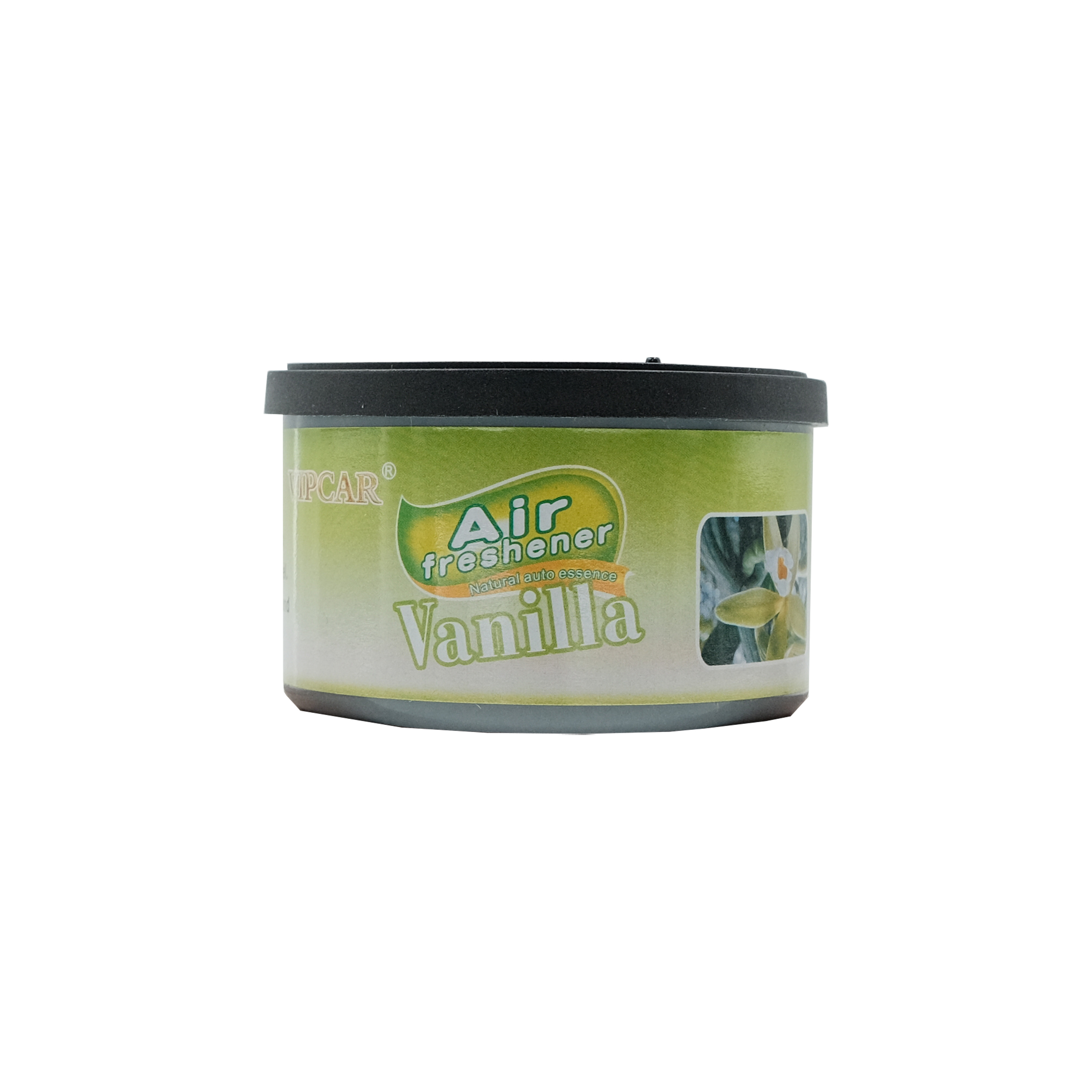
A successful product rollout demands a careful balancing act across multiple retail variables. You must align manufacturing costs against shelf stability and target demographic preferences. Choosing the wrong base material jeopardizes this delicate balance immediately. Retailers cannot afford dead inventory sitting dormant on store shelves.
Local temperature extremes heavily dictate product viability. You must evaluate the specific geography of your distribution network. If you distribute goods to high-heat regions like the American Southwest, you need materials resisting premature evaporation. Buyers in these desert climates require formats completely immune to melting. Conversely, temperate zones forgive fragile formulas much more readily.
End-user placement environments also impact effectiveness significantly. Where do your customers actually place the product? A can air freshener sitting inside a dark, cool home closet behaves differently than one baking under a windshield. Cup holders trap ambient heat. Under-seat placements suffer from poor airflow. Evaluating these real-world use cases ensures you stock a product delivering consistent performance wherever buyers place it.
How do fiber formats actually work? Manufacturers compress wood, cellulose, or recycled paper materials into dense pads. They soak these porous pads in concentrated fragrance oils. The scent releases slowly through passive evaporation into the surrounding air. This mechanism relies purely on airflow rather than chemical reactions.
This simple design creates a strong sustainability angle for your brand. Eco-conscious consumers actively seek greener automotive accessories. Retailers face stricter sustainability mandates from corporate boards every single year. Consequently, compressed wood serves as the perfect foundation for an organic can air freshener. Biodegradable pads help you meet environmental compliance easily. They appeal strongly to modern shoppers desiring low-impact disposable goods.
We can evaluate fiber formats using a straightforward pros and cons matrix:
Advantage: Extreme temperature stability. You face zero risk of melting, warping, or leaking in hot vehicles.
Advantage: Lighter shipping weight. Fiber drastically reduces bulk freight costs across long supply chains.
Limitation: Scent throw peaks early. The fragrance fades faster than gel if users leave the adjustable lid fully open.
Polymer gels utilize a completely different delivery mechanism. Manufacturers suspend liquid fragrance oils within a solid, jelly-like polymer matrix. As the scent evaporates over time, the gel structure shrinks visibly. This physical change provides users a clear, visual end-of-life indicator. They know exactly when they must replace the unit.
The performance realities of gel formats present distinct benefits and unique operational risks.
Advantage: Consistent, linear scent release. Gels disperse fragrance evenly over a 30 to 60-day lifecycle without an overpowering initial burst.
Advantage: Spill-proof under normal conditions. The stable polymer offers a premium aesthetic for high-end retail displays and car wash boutiques.
Limitation & Risk: Susceptibility to extreme heat. Prolonged exposure to high cabin temperatures ruins the polymer structure. Certain gel formulations liquefy or separate rapidly under these stressful conditions, risking interior vehicle damage.
A common mistake involves placing gel units directly on vehicle dashboards. Direct sunlight accelerates the breakdown process exponentially. You should always advise customers to place gels in shaded areas.
Let us compare these formats directly across vital business metrics to simplify your procurement process.
Fiber offers a robust initial burst. It neutralizes heavy odors rapidly, making it ideal for smokers or pet owners. Gel provides a subtle, sustained background scent. You must choose based on whether your buyers prioritize instant relief or a long-lasting, gentle ambiance.
Analyzing unit economics reveals clear scalable paths for your business. Fiber generally offers higher margin potential for entry-level retail. Its cheaper production suits volume-driven markets like gas stations or discount stores. Gel fits mid-tier to premium pricing models. You can justify higher price points through its premium aesthetic and sustained release curve.
Shipping and storage assumptions differ wildly between the two materials. Gel requires tighter temperature controls. You must manage freight carefully to prevent freezing during winter or melting during summer transit. Refrigerated freight adds considerable cost. Fiber tolerates broader warehousing conditions. It presents minimal risk of degradation during extended storage in non-climate-controlled facilities.
Base Material Comparison Chart
Evaluation Metric | Fiber Formats | Gel Formats |
|---|---|---|
Initial Scent Throw | Very High (Rapid odor neutralization) | Moderate (Subtle, steady release) |
Heat Tolerance | Excellent (Will not melt or leak) | Poor (Prone to melting in direct sun) |
Shipping Weight | Lightweight (Low freight costs) | Heavier (Higher freight costs) |
Ideal Retail Channel | Convenience stores, entry-level retail | Premium boutiques, auto detailing shops |
Seal integrity dictates shelf life for both format types. Factory seals must remain completely airtight from production to purchase. If aluminum pull-tab seals fail, gels risk drying out into hard, unusable pucks. Fibers lose potency and arrive dead on retail shelves. You must audit packaging quality rigorously during vendor selection.
Navigating chemical regulations remains critical for nationwide distribution. You must ensure your chosen car can air freshener complies with regional safety standards. Volatile Organic Compound (VOC) limits vary widely by jurisdiction. States enforcing CARB compliance require specific formulation tweaks. Always verify these certifications before importing goods to avoid costly fines.
Vendor vetting prevents catastrophic sourcing mistakes. Ask manufacturers hard questions upfront. Request exact gel melt points and request testing documentation. Inquire about sustainable fiber sourcing origins. Verify these details before committing to a bulk purchase agreement. A reliable vendor will provide transparent data willingly.
If your market is high-heat or automotive-heavy, prioritize fiber formats. Automotive cabins trap immense heat during summer months. Fiber eliminates customer complaints regarding melted product ruining expensive car upholstery. You protect your brand from costly damage claims and negative online reviews.
If your market is temperate or focuses on home-use, consider gel. Gel provides the consistent longevity preferred indoors. Climate-controlled environments protect the polymer structure perfectly. The visual shrinkage appeals strongly to household consumers who want a clear replacement indicator.
Your next-step actions should focus on practical validation. Request sample runs from your shortlisted suppliers. Conduct localized temperature stress tests. Leave units inside parked cars during peak summer heat to observe failure points. Finally, review the manufacturer's Material Safety Data Sheets (MSDS). These documents confirm safety claims and reveal hidden chemical hazards.
Neither material holds an objective superiority over the other in all situations. True retail success relies entirely on matching physical product properties to the specific environmental realities of your target market.
Audit your regional climate data before finalizing any large purchase orders.
Select fiber formats for hot regions to prevent catastrophic melting failures.
Deploy gel formats in premium, climate-controlled markets for optimal visual appeal.
Run a localized split-test across a few select retail locations first.
We strongly encourage buyers to gather direct Voice of Customer data during this testing phase. Real-world insights will guide your full-scale rollout safely and profitably.
A: The average lifespan ranges between 30 and 60 days. This timeline depends heavily on how users manipulate the adjustable lid mechanism. Opening the lid fully unleashes a strong burst but drains the fragrance rapidly. Keeping the vents partially closed extends the product's life significantly, ensuring steady odor control.
A: Yes, they offer strong eco-friendly benefits. The internal compressed fiber pad is fully biodegradable and breaks down naturally. However, the outer packaging usually consists of aluminum tins or plastic lids. Users must recycle these exterior containers through standard municipal programs to minimize overall environmental impact effectively.
A: Polymer gels possess strict physical temperature limits. When trapped inside a parked vehicle during summer, cabin temperatures easily exceed 140 degrees Fahrenheit. This extreme heat breaks down the gel matrix rapidly. The oil and polymer separate, causing the product to liquefy. Park in shaded areas to prevent this.
A: Fiber formats deliver a much stronger initial fragrance throw. The compressed pad exposes a massive surface area of scented oil to the air immediately. This passive evaporation creates an intense burst perfect for neutralizing strong odors quickly. Gel releases scent linearly, resulting in a much subtler initial experience.


