
Views: 0 Author: Site Editor Publish Time: 2026-02-03 Origin: Site


Do you love stepping into a car that smells fresh and inviting? Car air fresheners play a crucial role in enhancing your driving experience. However, many people overlook how often they should change them.
In this article, we’ll explore the importance of maintaining your car air freshener. You’ll learn about the best practices for replacement and tips to maximize their effectiveness. Discover how to keep your vehicle smelling great all the time!
A car air freshener is a product designed to enhance the scent inside your vehicle. Its primary purpose is to mask unpleasant odors, creating a more pleasant driving environment. These products come in various forms, each offering unique benefits and features. Here are some common types of car air fresheners:
Type | Description |
Hanging Air Fresheners | Simple and cost-effective, these are often made of cardboard or paper. They release fragrance gradually and can be hung from the rearview mirror. |
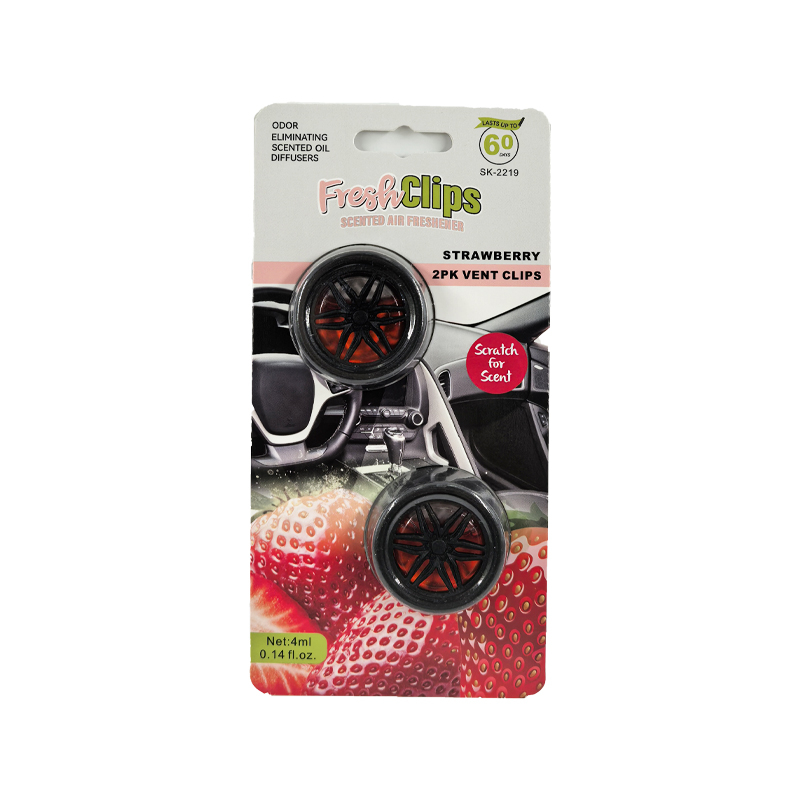
Vent Clips | These attach directly to your car's air conditioning vents. They use airflow to disperse the scent effectively. |
Gel-Based Fresheners | These solid gel products release fragrance through evaporation. They can last longer than other types, depending on conditions. |
Electronic Diffusers | These devices plug into your car's power outlet and use heat or fans to distribute fragrance. They often come with adjustable settings for scent intensity. |
Each type has its own advantages, making it essential to choose one that fits your preferences and needs.
Car air fresheners work by releasing fragrance into the air to mask or eliminate unwanted odors. The mechanisms of fragrance release vary by type:
● Evaporation: Many air fresheners, like gels and hanging types, rely on evaporation. As the material dries out, it gradually releases scent into the air.
● Airflow Dispersion: Vent clips utilize your car's ventilation system. When air passes through, it helps disperse the fragrance quickly and evenly throughout the cabin.
● Heat Activation: Electronic diffusers use heat to enhance scent diffusion. By warming the fragrance oils, they release a more intense aroma.
Several factors can affect how long these scents last:
1. Temperature: High temperatures can speed up evaporation, causing the scent to fade quickly.
2. Airflow: Increased airflow from air conditioning can enhance fragrance distribution but may also lead to faster depletion.
3. Humidity: In humid conditions, scents may linger longer, while dry air can cause them to dissipate rapidly.
Understanding how these factors influence your car air freshener's performance can help you make informed choices about when to replace it.
In summary, knowing the types of car air fresheners available and how they work allows you to select the right option for your vehicle and enhance your overall driving experience.
The type of car air freshener you choose plays a significant role in how often you need to replace it. Here’s a comparison of various types and their typical lifespans:
Type | Typical Lifespan |
Hanging Air Fresheners | 2-4 weeks |
Vent Clips | 3-6 weeks |
Gel-Based Fresheners | 30-60 days |
Oil Diffusers | 1-3 months |
Electronic Diffusers | 3-6 months |
For example, RUIAN SHOWKAR CAR APPLIANCE CO., LTD. offers vent clip air fresheners that can last up to 120 days. This showcases how effective their products can be, providing long-lasting freshness for your vehicle.
Environmental conditions significantly affect how long your car air freshener lasts. Here are some key factors to consider:
1. Temperature: High temperatures can accelerate the evaporation of fragrance oils. When parked in direct sunlight, the scent may dissipate much faster than in moderate temperatures. Conversely, cooler environments can help maintain fragrance longevity.
2. Humidity: The level of humidity in the air can influence scent diffusion. In dry conditions, fragrances may evaporate quickly, while higher humidity can help retain the scent longer. This means that your air freshener might last longer during humid weather.
3. Airflow and Ventilation: Good airflow helps distribute the scent throughout your car. However, excessive airflow from high fan settings can lead to quicker scent depletion. It's essential to find a balance to ensure consistent fragrance without overusing your air freshener.
Understanding these factors allows you to make better decisions about when to replace your car air freshener. By selecting the right type and considering environmental influences, you can enjoy a pleasant driving experience for longer.
Changing your car air freshener regularly is essential for maintaining a pleasant atmosphere while driving. Different types of air fresheners have varying lifespans, and knowing these can help you decide when to replace them. Here’s a detailed overview of recommended replacement timelines based on product type:
Type | Recommended Replacement Cycle | Description |
Hanging Air Fresheners | Every 2-4 weeks | Simple and economical, these often fade quickly in high temperatures. |
Vent Clips | Every 3-6 weeks | These utilize airflow for scent dispersion, but can lose potency over time. |
Gel-Based Fresheners | Every 30-60 days | These solid gels release fragrance steadily, making them a longer-lasting option. |
Oil Diffusers | Every 1-3 months | Known for their intense scents, they can last longer but should be monitored. |
Electronic Diffusers | Every 3-6 months | These devices often come with adjustable settings for fragrance intensity and last significantly longer. |
Following manufacturer guidelines is crucial for optimal performance. For instance, RUIAN SHOWKAR CAR APPLIANCE CO., LTD. provides clear recommendations for their products, ensuring you get the best performance and longevity. Their vent clip air fresheners can last up to 120 days, demonstrating the effectiveness of quality products. Adhering to these timelines not only prevents unpleasant odors but also helps maintain a fresh and inviting driving environment.
Knowing when to replace your car air freshener can save you from stale smells and ensure a pleasant driving experience. Here are some key signs to watch for:
1. Fading Fragrance Intensity: If you notice that the scent is noticeably weaker than when you first installed it, it’s time for a change. A fresh scent can significantly enhance your driving experience, making it more enjoyable and comfortable.
2. Physical Changes in the Product: Look for signs of dryness or brittleness. If your air freshener appears cracked, shriveled, or discolored, it may no longer be effective. A fresh air freshener should maintain its integrity and fragrance.
3. Inability to Neutralize Odors: If you notice persistent odors in your car despite having an air freshener in place, it’s a clear indication that it’s time to replace it. An ineffective air freshener can lead to an unpleasant driving environment, making your vehicle feel less inviting.
4. Odor Changes: Sometimes, an air freshener can start to emit a different scent as it depletes. If you detect a strange or off-putting smell, it’s best to replace it immediately.
5. Seasonal Changes: With changing seasons, you might want to switch scents to match the mood. For example, a fresh citrus scent may be perfect for summer, while warm vanilla or cinnamon might be more suitable for winter.
By keeping an eye on these factors and understanding the recommended replacement cycles, you can ensure your car remains a pleasant space. This attention to detail not only enhances comfort but also improves the overall enjoyment of your travels, making every drive a more refreshing experience.

To get the most out of your car air freshener, consider these effective tips for extending its lifespan:
1. Proper Placement: Position your air freshener away from direct sunlight and heat sources, such as the dashboard or vents. Excessive heat can cause fragrances to evaporate quickly, diminishing their effectiveness. Instead, place them in shaded areas where they can release scent gradually.
2. Regular Maintenance: Keeping your car's air vents clean is crucial. Dust and debris can accumulate, affecting airflow and the distribution of fragrance. Regularly wipe down the vents and consider using a vacuum to ensure optimal performance of your air freshener.
3. Rotate Scents: To avoid "nose blindness," a phenomenon where you become desensitized to a scent, try rotating different fragrances. This not only keeps your driving experience fresh but also enhances your overall enjoyment. Switching scents every few weeks can create a more dynamic atmosphere in your vehicle.
Proper storage of unused air fresheners is essential to maintain their potency. Here’s how to store them effectively:
1. Cool, Dry Conditions: Always keep unused air fresheners in a cool, dry place. High temperatures and humidity can degrade the fragrance oils, leading to a loss of scent potency. Avoid storing them in hot areas like your car trunk or near windows.
2. Seal Properly: If your air fresheners come in sealed packaging, keep them that way until you’re ready to use them. This helps preserve their fragrance and prevents exposure to air, which can lead to evaporation.
3. Avoid Direct Sunlight: Just as with installed air fresheners, keeping them out of direct sunlight during storage is vital. Sunlight can break down the fragrance compounds, making them less effective when you finally use them.
By following these best practices, you can ensure that your car air fresheners last longer and provide a consistently pleasant driving experience. These small adjustments can make a significant difference in how your car smells and feels.
A: Key indicators include fading fragrance intensity, physical changes like dryness or brittleness, and its inability to neutralize odors effectively.
A: Yes, unopened air fresheners can expire. They typically have a shelf life, often influenced by the materials used and storage conditions.
A: Gel-based fresheners and electronic diffusers are known for longevity. RUIAN SHOWKAR offers a variety of options that cater to different scent preferences and last longer.
A: Yes, sustainable alternatives include natural essential oil diffusers and biodegradable air fresheners made from plant-based materials, reducing environmental impact.
A: The frequency of changing your car air freshener depends on its type. Generally, hanging air fresheners should be replaced every 2-4 weeks, vent clips every 3-6 weeks, gel-based fresheners every 30-60 days, and electronic diffusers every 3-6 months for optimal freshness.
Changing your car air freshener regularly is important for a pleasant driving experience. It helps eliminate odors and keeps your car smelling fresh.
By understanding the different types of air fresheners, you can select the best one for your needs.
Consider factors like scent longevity and personal preferences when making your choice. Prioritizing air freshener maintenance ensures a comfortable environment during every drive.


